A professional organizer helps a client make decisions and improve a space. A checkout page should not promise a complete transformation when progress depends on the client’s choices, the volume of belongings, and the time available. Whop may fit a defined-session payment workflow with those boundaries made clear.
Disclosure: AdsX owner Dennis Hegstad works at Whop. AdsX may earn a commission from qualifying businesses referred through our signup links. Public sources were reviewed October 4, 2026. Package prices and scenarios below are illustrative, not platform quotes or customer results. Editorial policy.
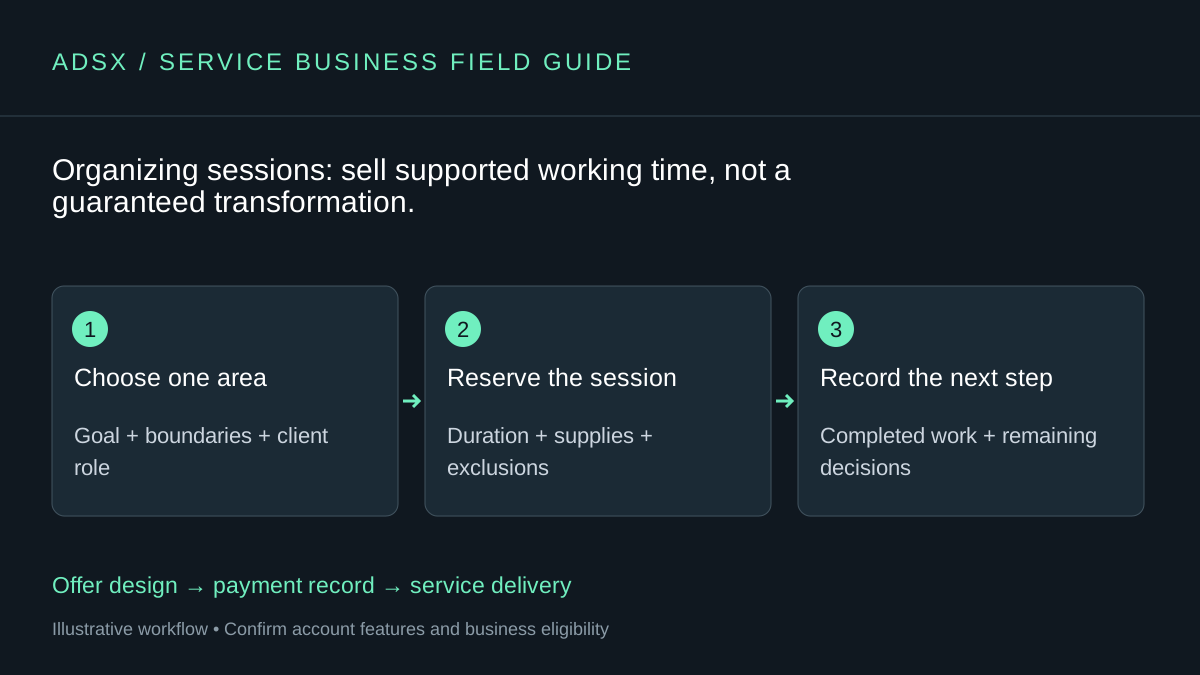
Original AdsX workflow illustration.
Start with one area and one session
A pantry, home office, and whole-house move are very different projects. Choose a manageable first offer and explain what preparation is useful. State whether the client must be present and who makes decisions about keeping, donating, or disposing of items.
A session description should distinguish organizing from cleaning, moving, hauling, and purchasing storage products. If you coordinate any of those services, explain whether they are included or separately arranged.
| Offer element | Detail the customer needs |
|---|---|
| Target area | The space or project covered by the session |
| Duration | Working time and any included preparation |
| Client role | Availability for decisions and approvals |
| Supplies | Who buys them and how spending is approved |
| Removal | Who handles donations, recycling, and disposal |
Price time without guaranteeing the outcome
An illustrative three-hour session at $70 per hour costs $210. If travel and preparation add an hour, the gross revenue per occupied hour is $52.50 before supplies you absorb, fees, and other expenses. Use that fuller calculation when deciding whether the package is sustainable.
Avoid promising that every room will be finished in a fixed time. Instead, describe the working process and how you agree the next step if the project needs another session. The client can then buy support without interpreting the price as a guaranteed before-and-after result.
Whop’s checkout-link documentation explains collecting a one-time amount and asking questions before purchase. Use the questions to establish the target area and logistical needs, while keeping sensitive household details in an appropriate private process.
Confirm the appointment after the scope is understood
The official Calendar Bookings guide describes setting availability and session duration. Test whether the flow handles your travel area, confirmation process, and rescheduling needs. A general calendar does not establish route planning or automatic control of supply purchases.
Our booking guide helps connect a paid offer to the appointment without double charging. If a separate scheduler already works, retain it and send the buyer to one clear next step after payment.
Make privacy part of the delivery process
Organizing can expose financial papers, family information, and personal belongings. Agree what may be photographed and shared. A client portal should not become a public portfolio, and a before-and-after image needs appropriate permission before it appears in marketing.
At the end of the session, record what was completed, what decisions remain, and any agreed follow-up. That gives the customer a useful account of progress even when the whole project is not finished.
Pilot a single-area session before offering a large prepaid package. Read the service-business guide, then open a Whop business through AdsX’s referral link if its payment flow fits your eligible organizing service.