An esthetician can evaluate Whop for payment collection around clearly defined, eligible non-medical services. Start with the commercial workflow: what the client buys, when suitability is confirmed, and where the appointment happens. A payment platform should not become a substitute for professional intake or clinical records.
Disclosure: AdsX owner Dennis Hegstad works at Whop. AdsX may earn a commission from qualifying businesses referred through our signup links. Public sources were reviewed October 4, 2026. Package prices and scenarios below are illustrative, not platform quotes or customer results. Editorial policy.
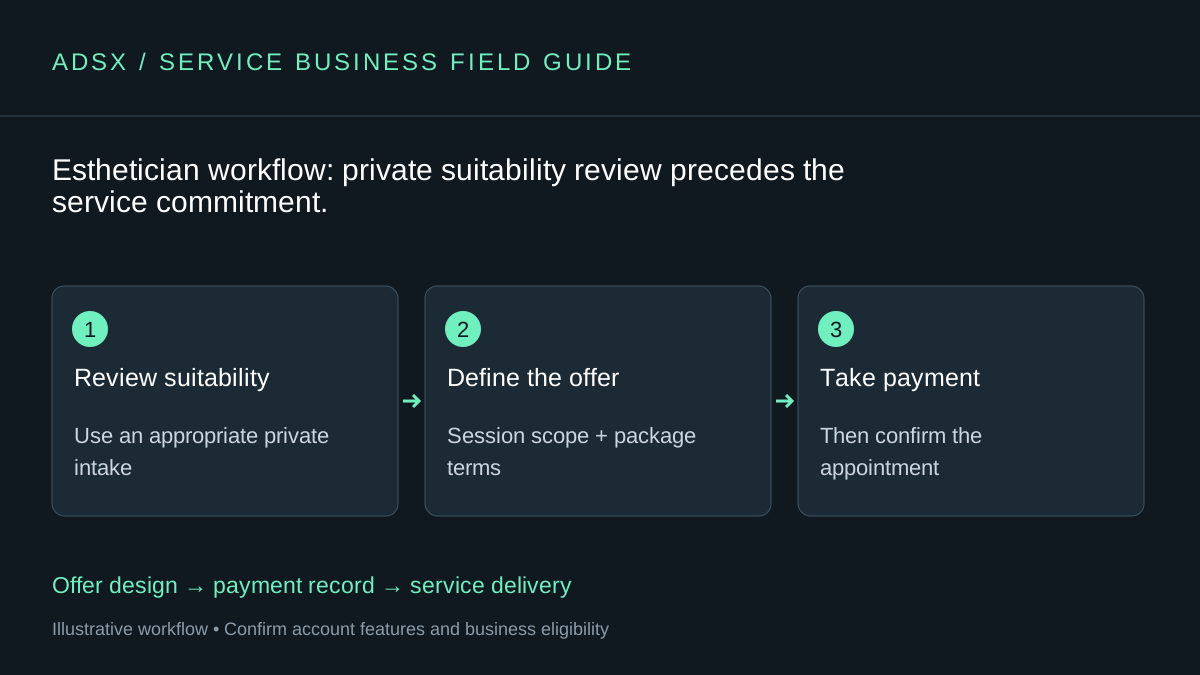
Original AdsX workflow illustration.
Keep the offer within your actual scope
Describe the service plainly and avoid medical claims or promised skin outcomes. A business offering medical procedures, prescriptions, or other restricted services needs a separate eligibility review. Whop’s prohibited-businesses documentation is the starting point; acceptance of one non-medical offer does not establish approval for every treatment category.
Do not collect detailed health histories in a public community or assume a general checkout question is a suitable medical-record system. Use a private intake process appropriate to your professional obligations. This article does not prescribe treatments or determine who should receive them.
Sell sessions with terms a client can understand
A package needs more than a session count. State which service is included, the appointment length, booking availability, transfer rules, and what happens if the planned service becomes unsuitable. Have any expiry and cancellation terms reviewed for your market before relying on them.
| Offer detail | Example question to resolve |
|---|---|
| Service scope | Is this one named service or a credit toward any service? |
| Scheduling | Can all purchased sessions realistically be booked? |
| Suitability | What happens if the service should not proceed? |
| Unused sessions | How are rescheduling and refunds handled? |
Suppose three illustrative sessions cost $270. That price represents a service obligation across three appointments, not three slots automatically reserved by checkout. If only two can fit in the customer’s available weeks, resolve the scheduling issue before collecting for the full package.
Choose the payment type deliberately
Whop’s pricing guide describes one-time and recurring options. A finite three-session package is different from a subscription that renews until canceled. Our installments comparison explains another distinction: paying a fixed package over time does not make it an ongoing membership.
Whop’s Calendar Bookings guide documents appointment availability. Verify whether it can support the rooms, providers, equipment, and preparation time your practice requires. When your existing appointment software already manages these constraints, a payment-only pilot may be simpler.
Keep the customer journey calm and specific
After payment, show one next action: complete private intake, request a suitable appointment, or review confirmation details. A customer should not have to hunt through a new community to find an address or rescheduling instructions.
Record the purchased package, paid amount, used sessions, and remaining sessions in a private service ledger. Review that ledger before each appointment. Do not equate access to a Whop product with a verified balance of treatment credits unless you have built and tested that process.
Whop may fit a simple eligible offer where payment collection is fragmented. A practice needing specialist clinical or salon operations should retain them. Review the service-business guide, confirm your specific offer’s eligibility, then open a Whop business through our referral link to assess one manageable payment flow.