Whop may fit an electrical contractor’s payment process when the scope has been assessed and the customer knows what each charge covers. It should not turn a complex installation into an instant generic purchase. Site conditions, required approvals, and professional assessment still determine the project.
Disclosure: AdsX owner Dennis Hegstad works at Whop. AdsX may earn a commission from qualifying businesses referred through our signup links. Public sources were reviewed October 4, 2026. Package prices and scenarios below are illustrative, not platform quotes or customer results. Editorial policy.
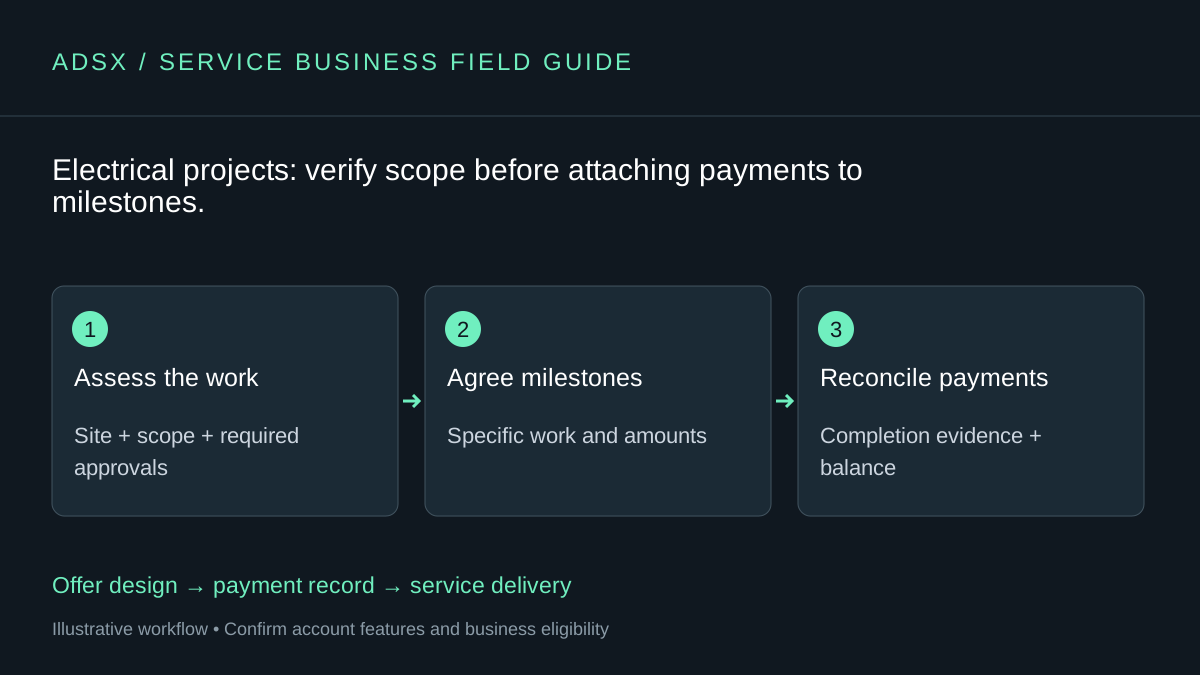
Original AdsX workflow illustration.
Use a defined visit as the first offer
A consultation or site-assessment appointment can be easier to describe than a complete installation price. State whether that visit includes a written estimate, what information the customer should provide, and whether its cost is credited toward later work.
This is business-process guidance, not advice on electrical work. Licensing, permits, inspections, and safe procedures remain the contractor’s responsibility. Whop signup does not verify or replace those requirements.
| Project stage | Evidence to keep with the payment |
|---|---|
| Site assessment | Agreed visit purpose and findings recorded privately |
| Accepted quote | Scope, exclusions, materials, and customer acceptance |
| Progress payment | The specific milestone and agreed amount |
| Final balance | Completion status and previous payments reconciled |
Do not let installment timing imply completion
An illustrative $1,800 project might have three agreed $600 payments. A fixed billing schedule is different from payments that become due only when work reaches a milestone. If approval or completion controls the due date, do not configure an automatic schedule that charges regardless of progress.
Whop’s checkout documentation explains fixed installments and one-time links. Choose deliberately. Separate one-time requests may suit approval-based milestones better than a recurring schedule, depending on your contract and local rules.
Our installments guide explains the billing distinction. It does not determine appropriate deposit rules for construction work; verify those requirements for your location and agreement.
Make each invoice match the accepted quote
Whop’s invoice documentation describes a customer service fee of 5% on invoices. Preview the full buyer total and resolve any difference from the quoted amount before sending the request. Payment methods and financing availability can also depend on account setup; do not promise every option to every customer.
Use one project reference across quotes, changes, invoices, and receipts. If extra work is approved, record the change in both scope and price. A paid invoice should not be the first place the customer learns that the project became more expensive.
Keep specialist project records intact
Retain the system you use for job history, certification records, staff assignment, and materials. Whop’s general service-payment capabilities are not evidence of dedicated electrical contracting features. A smaller pilot protects a working operations process while you evaluate payment collection.
A good test is a planned assessment followed by a clearly accepted quote. Confirm that the customer can identify the paid stage and outstanding balance without contacting you. Track how much administration is required to reconcile the project at the end.
If the payment layer is useful, read the service-business setup guide and open a Whop business through AdsX’s referral link. Launch one eligible, clearly documented offer before expanding to larger projects.