Whop is worth evaluating for an HVAC company that wants to collect payment for a clearly defined maintenance offer. The useful starting point is a seasonal service plan with written limits. Emergency dispatch, equipment histories, technician routing, and repair estimates still need an operating system you trust.
Disclosure: AdsX owner Dennis Hegstad works at Whop. AdsX may earn a commission from qualifying businesses referred through our signup links. Public sources were reviewed October 4, 2026. Package prices and scenarios below are illustrative, not platform quotes or customer results. Editorial policy.
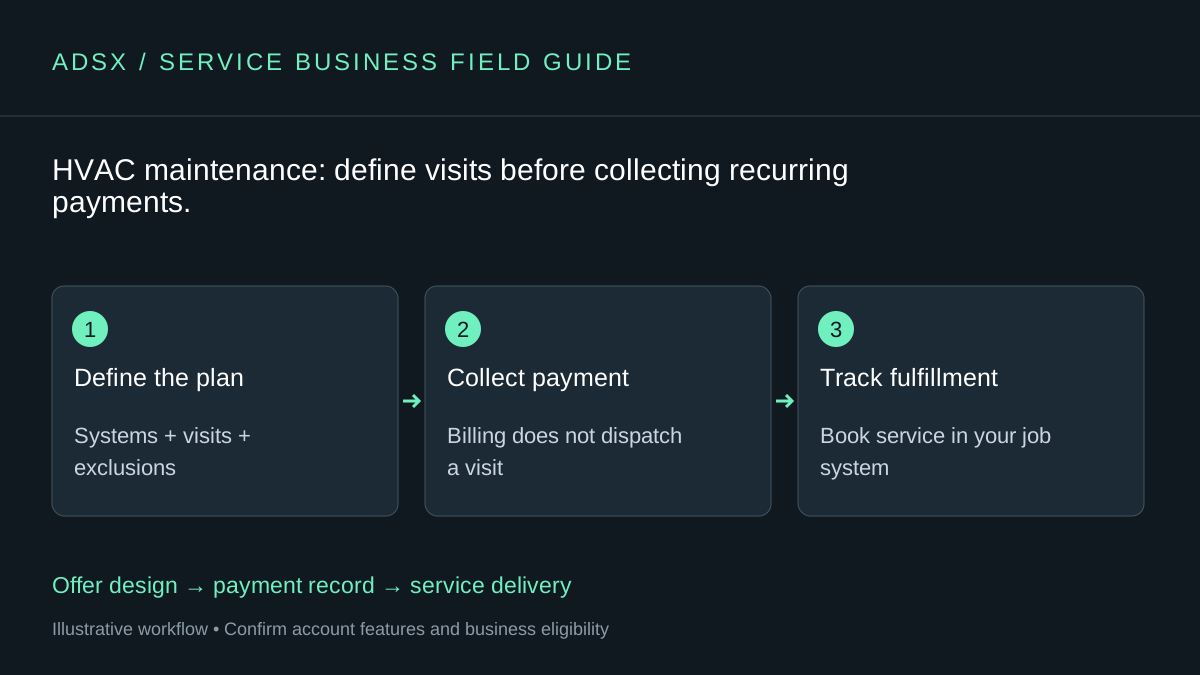
Original AdsX workflow illustration.
Start with maintenance, not an emergency promise
A homeowner buying “priority service” may hear “someone will arrive immediately.” If you mean earlier access to available appointments, say exactly that. Define the geographic area, covered equipment, included visits, and treatment of replacement parts before creating a payment link.
An illustrative annual plan might cover two scheduled maintenance visits for one residential system. A second system requires a separate price. Repairs, emergency attendance, and replacement equipment are excluded unless explicitly quoted. This is an offer-design example, not a recommendation about technical HVAC work.
| Decision | Write it before checkout |
|---|---|
| Covered property | One named address inside your service area |
| Included equipment | One system, identified in your service records |
| Visit entitlement | Two planned visits during the stated coverage period |
| Scheduling | Customer chooses from confirmed service availability |
| Additional work | Separate written approval and payment |
Match the payment schedule to the promise
Whop’s pricing documentation supports one-time and recurring offers. An annual prepaid plan and a monthly subscription can both fund maintenance, but they create different customer expectations. A monthly price needs a clear explanation of when visits become available and what happens if the plan ends between visits.
For example, $24 per month produces $288 over twelve paid months. That is gross collection, before processing costs, labor, travel, supplies, refunds, or missed payments. If two visits consume four technician hours including travel, the plan needs to support those hours even when customers cluster around the same season. A recurring charge does not spread the physical workload evenly across the year.
Avoid calling every upfront payment a deposit. An annual service payment purchases a defined coverage period; a deposit toward a replacement system is part of a different agreement. Our subscriptions and installments guide explains why the distinction matters.
Keep the service record outside the checkout
The checkout-link guide describes collecting information before checkout and redirecting customers afterward. Use those steps for an address and a clear scheduling instruction. Keep equipment notes, technician assignments, and completion records in your existing job software unless you have verified a suitable integration.
Do not treat a successful subscription payment as proof that a visit happened. Maintain a visit ledger with customer, coverage dates, visits included, visits completed, and remaining obligation. Reconcile it with payment status before accepting another renewal.
Test a small, deliverable plan
Start with the number of households your seasonal calendar can accommodate. Ten plans with two visits each create twenty visits to fulfill. Check whether that work fits the actual weeks in which customers will want it, including travel and callbacks.
Whop can fit when payment collection is the missing piece. A company seeking dispatch, fleet management, or equipment-level service history should assess those requirements separately. Review the broader service-business setup guide, confirm your business and offer are eligible, then set up a Whop business through AdsX’s referral link. Publish one maintenance offer only after its payment and service records agree.